
Categories
Community & Local Life, Community & LifestylePublished July 1, 2026
Before the Red Rock Was "Home": The Earliest Settlers of Southern Utah

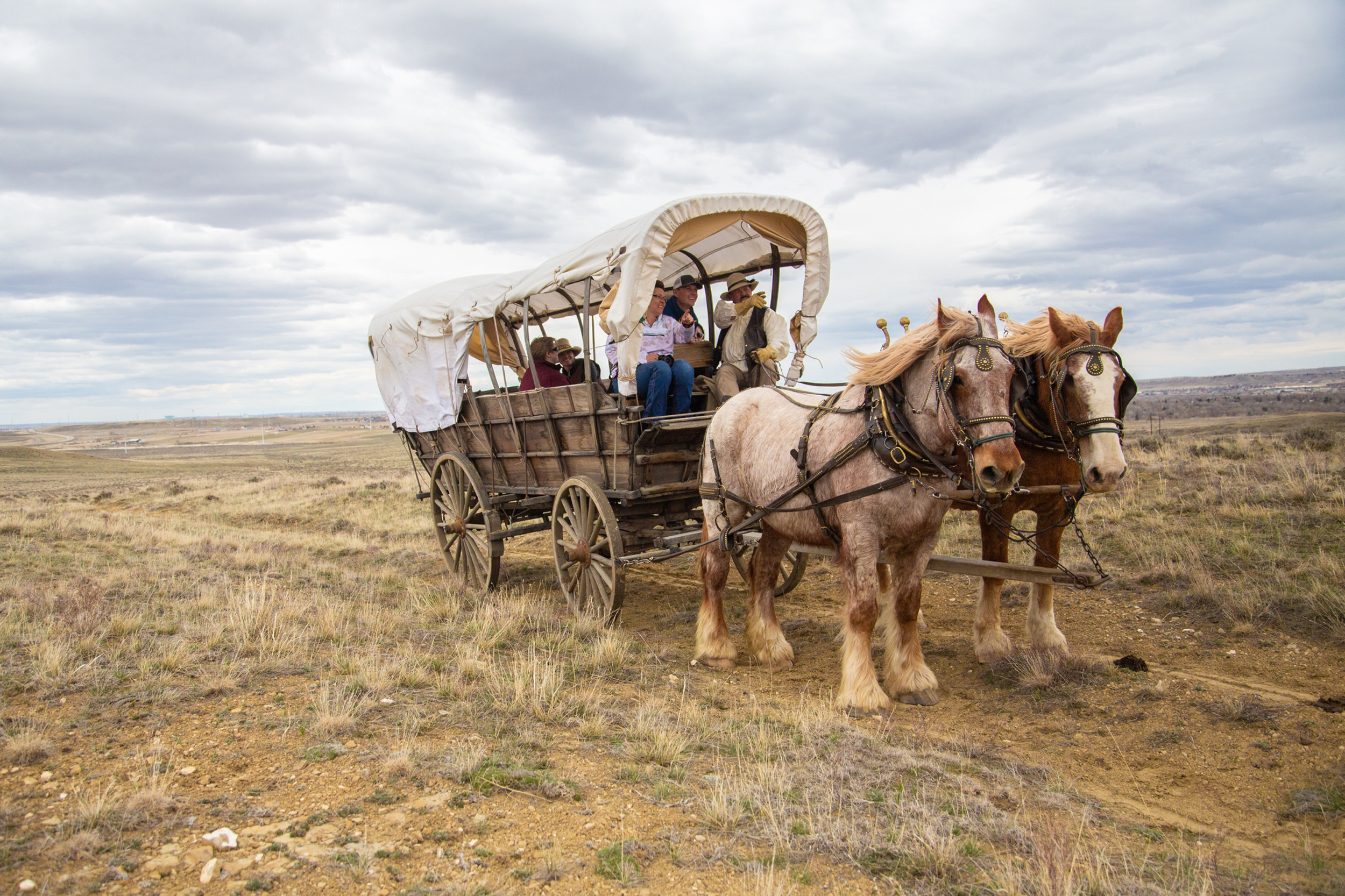
Before the Red Rock Was "Home": The Earliest Settlers of Southern Utah
Every neighborhood in St. George sits on ground with a long, layered history. Long before red rock cul-de-sacs and golf course communities, this valley was shaped by thousands of years of human presence, from ancient Indigenous peoples to Spanish explorers to the Mormon pioneers who founded the town we know today. As locals who love this place, we think that history is worth knowing. Here's the story of how Southern Utah came to be settled.
The First Inhabitants
People have called this area home for thousands of years. Ancestral Puebloans (sometimes referred to historically as the Anasazi, a term now generally avoided in favor of Ancestral Puebloan) lived throughout the region roughly between 200 and 1300 AD, leaving behind petroglyphs, rock art, and archaeological sites that can still be found scattered across the desert today, including along trails like Anasazi Ridge. By the time European explorers arrived, the Southern Paiute people were the primary inhabitants of the Santa Clara and Virgin River basins, living in close relationship with the desert environment that would later challenge, and eventually reward, the area's newest arrivals.
The First Europeans
The first recorded Europeans to pass through the area were part of the Dominguez-Escalante expedition in 1776, a group of Spanish Franciscan friars exploring a route between Santa Fe and California. They were followed decades later by fur trappers, including the famed mountain man Jedediah Smith, and eventually by government survey parties mapping the American West.
The Cotton Mission of 1861
The story most people associate with St. George's founding begins in October 1861, when LDS Church President Brigham Young called 309 families to settle the Virgin River basin. With the Civil War disrupting cotton and textile supply chains across the country, Young hoped this warm, low-elevation desert valley could become a self-sufficient source of cotton, grapes, silk, and other crops that couldn't be grown in the colder Salt Lake Valley. This effort became known as the Cotton Mission, and the settlers' Southern roots (many hailed from the American South) gave rise to the enduring nickname "Utah's Dixie."
The city itself was officially chartered in January 1862 and named in honor of LDS apostle George A. Smith, who helped select many of the families sent to settle the area, though he never lived there himself. Around the same time, thirty families of Swiss immigrants were sent to settle nearby Santa Clara, tasked with growing grapes and fruit to support the cotton farmers.
A Brutal Start
Life for the earliest settlers was genuinely difficult. Flooding, scarce drinking water, and scorching summer heat made the first years a serious test of endurance. Scurvy became a real threat due to limited access to fresh produce, a problem local lore credits George A. Smith with helping solve by urging settlers to eat raw, unpeeled potatoes, earning him the affectionate nickname "the Potato Saint." Despite cotton ultimately proving to be a limited economic success, the settlers pressed on, experimenting with silk, molasses, dried fruit, and wine production along the way.
Jacob Hamblin and Peaceful Relations
One of the most important figures in the region's early history wasn't a farmer, but a diplomat. Jacob Hamblin, sometimes called the "Apostle to the Native Americans," worked to build peaceful relationships between Mormon settlers and the local Southern Paiute tribes. His efforts are widely credited with helping the fledgling settlements survive their earliest, most vulnerable years without major conflict. His historic home still stands in nearby Santa Clara today.
Building a Lasting Community
Despite the hardships, the pioneers didn't just survive, they built. Construction began on the St. George Tabernacle in 1871 and the St. George Temple in the same era, with the temple dedicated in 1877 as the first LDS temple built west of the Mississippi River, and still the oldest operating LDS temple in Utah today. Brigham Young himself spent winters in St. George later in life, seeking relief from arthritis in the area's milder climate, a decision that turned the young settlement into something of a second capital during winter months.
Names You Still Hear Today
Many of the original pioneer family names, including Hafen, Staheli, Seegmiller, McArthur, and Ayres, remain common surnames around Washington County more than 160 years later. It's a small but powerful reminder of just how many of today's residents can trace their roots back to those first hard years in the desert.
Why This History Still Matters
Understanding where St. George came from adds real depth to living here now. The same qualities that drew settlers 160 years ago, mild winters, a resilient community spirit, and a striking natural landscape, are largely what continues to draw new residents today. The names have changed and the neighborhoods have multiplied, but the pull of this place hasn't.
Interested in living somewhere with this much history behind it? The Larkin Group would love to help you find your place in Southern Utah's next chapter — reach out anytime.
Get in Touch
If you are curious to hear more about us and what we can offer, don't hesitate to get in touch. We try to take care of all of the detailed and long processes and making home buying or selling super easy! Send us your brief and learn how we work.
- 695 E Tabernacle StSt. GeorgeUT84770
- (435) 862-8467
- larkin@gostgeorge.com
or another way