
Categories
Southern Utah Lifestyle, Moving to Southern Utah, Moving to St. George, Local Lifestyle, Community & Lifestyle, Community & Local LifePublished July 1, 2026
Living Near The Mighty 5!

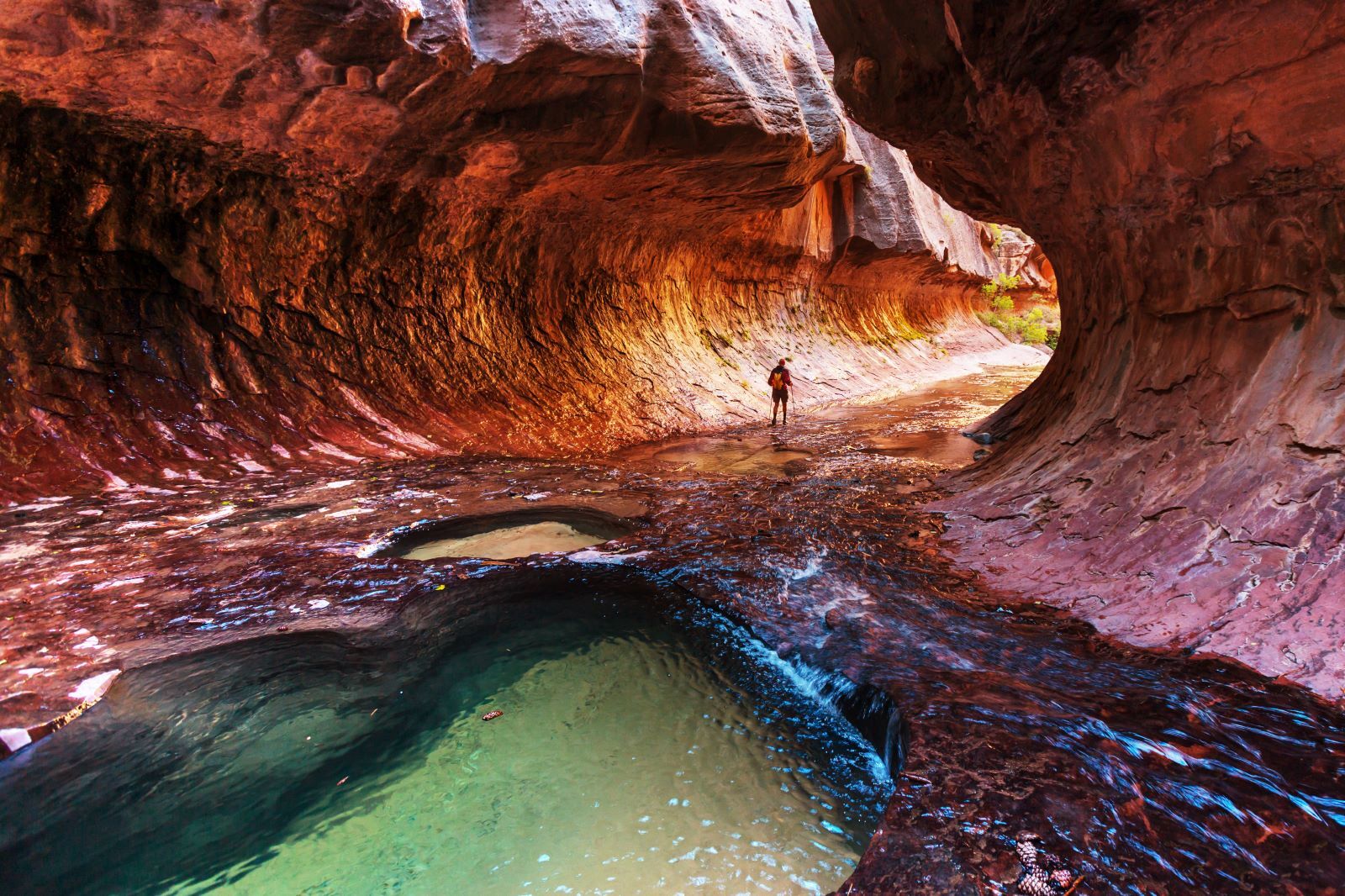
Living Near the Mighty 5: A Local's Guide to Utah's National Parks
One of the best perks of calling Southern Utah home? You're within a few hours of five national parks that people fly across the world to see. Utahns call them the "Mighty 5" — Zion, Bryce Canyon, Capitol Reef, Arches, and Canyonlands — and if you live in St. George, you've got the best-located home base of any of them. Here's our local rundown on each park, plus a few tips for visiting like someone who actually lives here.
Zion National Park — Your Backyard Wonder
Zion is the closest of the five to St. George, about 45 minutes from downtown, which makes it the park most Larkin Group clients end up visiting first (and coming back to again and again). Towering sandstone cliffs rise straight up from the canyon floor, and the Virgin River has carved a landscape that feels almost otherworldly.
- The Narrows — Wade right up the river between canyon walls that soar a thousand feet overhead.
- Angels Landing — The famous chain-assisted climb to a narrow summit with sweeping canyon views. It now requires a permit through a lottery system on Recreation.gov, so plan ahead.
- Zion Canyon Scenic Drive — Accessible via the free park shuttle most of the year, with stops at the Emerald Pools, Weeping Rock, and the Temple of Sinawava.
- Kolob Canyons — The quieter, less-visited side of the park on the west end, a favorite among locals who want the scenery without the crowds.
A heads-up for anyone planning a summer visit: wilderness and camping permit fees are set to rise this year, so it's worth checking current pricing before you go.
Bryce Canyon National Park — Hoodoo Heaven
A couple hours northeast of St. George, Bryce Canyon looks like nowhere else on Earth. Instead of one canyon, it's a series of natural amphitheaters filled with thousands of thin, spire-shaped rock formations called hoodoos, glowing orange and pink at sunrise.
- Sunrise and Sunset Points — Short walks from the parking area with some of the most photographed views in the state.
- Queen's Garden and Navajo Loop — A moderate hike that drops down among the hoodoos for an up-close look.
- Sitting at 8,000–9,000 feet, Bryce stays noticeably cooler than the desert floor, making it a great summer escape from St. George's heat.
Capitol Reef National Park — The One Everyone Skips (and Shouldn't)
Tucked in the middle of the state, Capitol Reef is the quietest of the five, and locals who've made the drive will tell you that's exactly the appeal. The park protects a 100-mile wrinkle in the earth's crust called the Waterpocket Fold, along with orchards planted generations ago by Mormon pioneers, where visitors can still pick fruit in season.
- Cassidy Arch — A moderate hike named for outlaw Butch Cassidy, with a trail that lets you walk out onto the top of the arch.
- Hickman Bridge — An easygoing trail to a natural stone bridge, great for families.
- Historic Fruita — Homestead buildings, petroglyphs, and the park's famous pie at the Gifford Homestead.
Arches National Park — Red Rock Icons
Just outside Moab, Arches packs more than 2,000 natural stone arches into a relatively small area, more per square mile than anywhere else on the planet. As of this year, Arches no longer requires a timed-entry reservation, making it easier to visit spontaneously than it's been in a few years.
- Delicate Arch — The iconic, free-standing arch featured on Utah license plates; the hike to it is moderate but well worth the effort, especially at sunset.
- Devils Garden — A longer trail past several arches, including Landscape Arch, one of the longest natural stone spans in the world.
- The Windows Section — An easy, family-friendly loop with several arches visible from short walks.
Canyonlands National Park — Utah's Quiet Giant
Right next door to Arches, Canyonlands is Utah's largest national park and its most remote-feeling, carved by the Colorado and Green Rivers into a maze of canyons, mesas, and buttes.
- Mesa Arch — A short hike to one of the most photographed sunrise spots in the Southwest.
- Grand View Point — A dramatic overlook into the canyon depths, accessible via an easy paved trail.
- Island in the Sky — The most visited district, ideal for those with limited time; the Needles and Maze districts reward those willing to go further off the beaten path.
Planning Your Visit
The classic Mighty 5 road trip runs about a week, but if you live in St. George, you don't have to do it all at once. Zion is a quick day trip, Bryce is a comfortable weekend, and Capitol Reef, Arches, and Canyonlands make for a great extended getaway toward Moab. Spring and fall (April–May and September–October) offer the mildest temperatures for hiking, while summer pushes the lower-elevation parks past 100 degrees. Permit and fee rules shift from year to year, so it's always worth a quick check on the National Park Service site before you head out.
A Local's Perspective
We talk to a lot of buyers who fall in love with Southern Utah on a national park vacation and end up asking, "What would it take to actually live here?" If that's you, we'd love to help you figure it out. Having five world-class national parks within a few hours of home isn't a bucket-list trip here — it's just a Saturday.
Curious what it's like to call Southern Utah home? Reach out to The Larkin Group anytime — we're happy to talk parks, neighborhoods, or both.
Get in Touch
If you are curious to hear more about us and what we can offer, don't hesitate to get in touch. We try to take care of all of the detailed and long processes and making home buying or selling super easy! Send us your brief and learn how we work.
- 695 E Tabernacle StSt. GeorgeUT84770
- (435) 862-8467
- larkin@gostgeorge.com
or another way